
 By
By
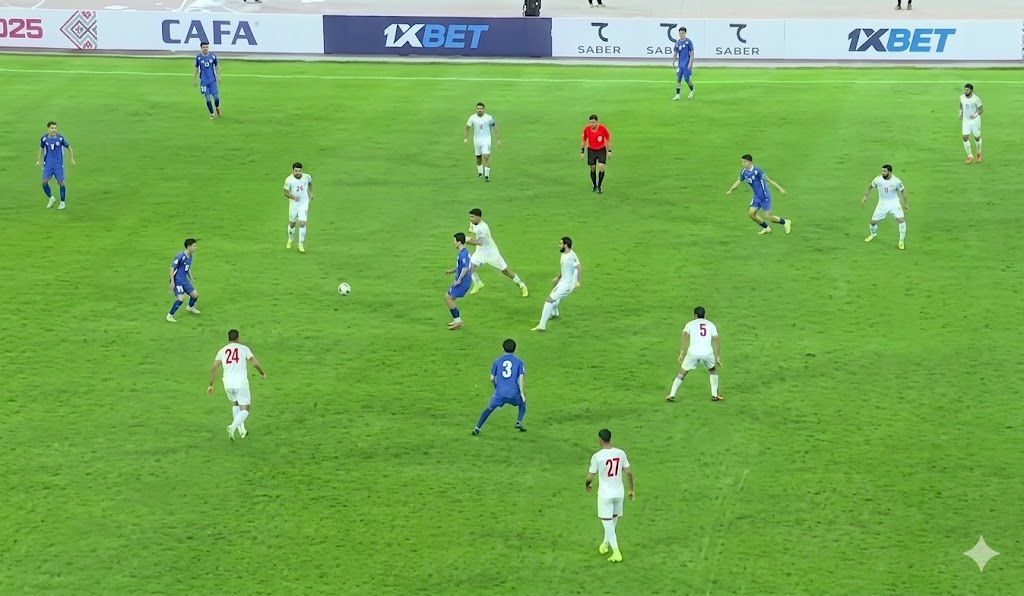
FIFA President Gianni Infantino officially confirmed that the Iran national team will participate in the 2026 World Cup, ending months of geopolitical uncertainty. Speaking at the FIFA Congress in Vancouver, Canada, on April 30, 2026, Infantino emphasized the tournament’s role in global unity.
The announcement came with specific caveats from Tehran. Mehdi Taj, president of the Iranian Football Federation, demanded comprehensive security guarantees and the formal recognition of Islamic Republic symbols. Taj also stipulated that the team must remain free from political criticism during their stay in North America, highlighting the importance of safety and respect for fans and players alike.
Fans outraged at exorbitant costs
With the lineup of nations now set, supporters are voicing growing concern over soaring costs. Analysts estimate that a pair of fans traveling from Europe to attend the group stages could incur expenses exceeding $16,000, underscoring the financial challenges fans face.
Ticket prices are the biggest sticking point. FIFA’s ticketing process includes a limited “Supporter Entry Tier” at $60, but high-demand matches often sell out quickly, with resale tickets reaching double face value. Fans should stay informed about official sales dates and procedures to avoid scams and ensure fair access.
The financial burden extends to basic logistics:
- Transit hikes: New Jersey and Massachusetts authorities are under fire for hiking transit fares. A train from Manhattan to MetLife Stadium in New Jersey is expected to cost more than $100, nearly 10 times the standard fare.
- Lodging spikes: While cities like Dallas remain relatively affordable, central hotel rooms in Boston are topping $400 per night.
Stadium concerns linger
Behind the scenes, there are also questions about whether every venue will be ready in time. In Mexico City, work at Estadio Azteca is still ongoing, with crews rushing to complete upgrades to luxury suites and hospitality areas. Even with a planned reopening earlier this year, construction teams are reportedly still clearing debris and fine-tuning a new hybrid playing surface, technology that has previously caused issues at the stadium.
In the United States, attention has turned to Levi’s Stadium in California. The venue has long been criticized for heat, particularly for fans seated on the sun-exposed side. With airport height restrictions preventing the addition of a roof, there’s little that can be done structurally, raising concerns about how comfortable and safe conditions will be during summer matches.
With just over a month to go until kickoff, the excitement is building—but so are some issues.