
 By
By
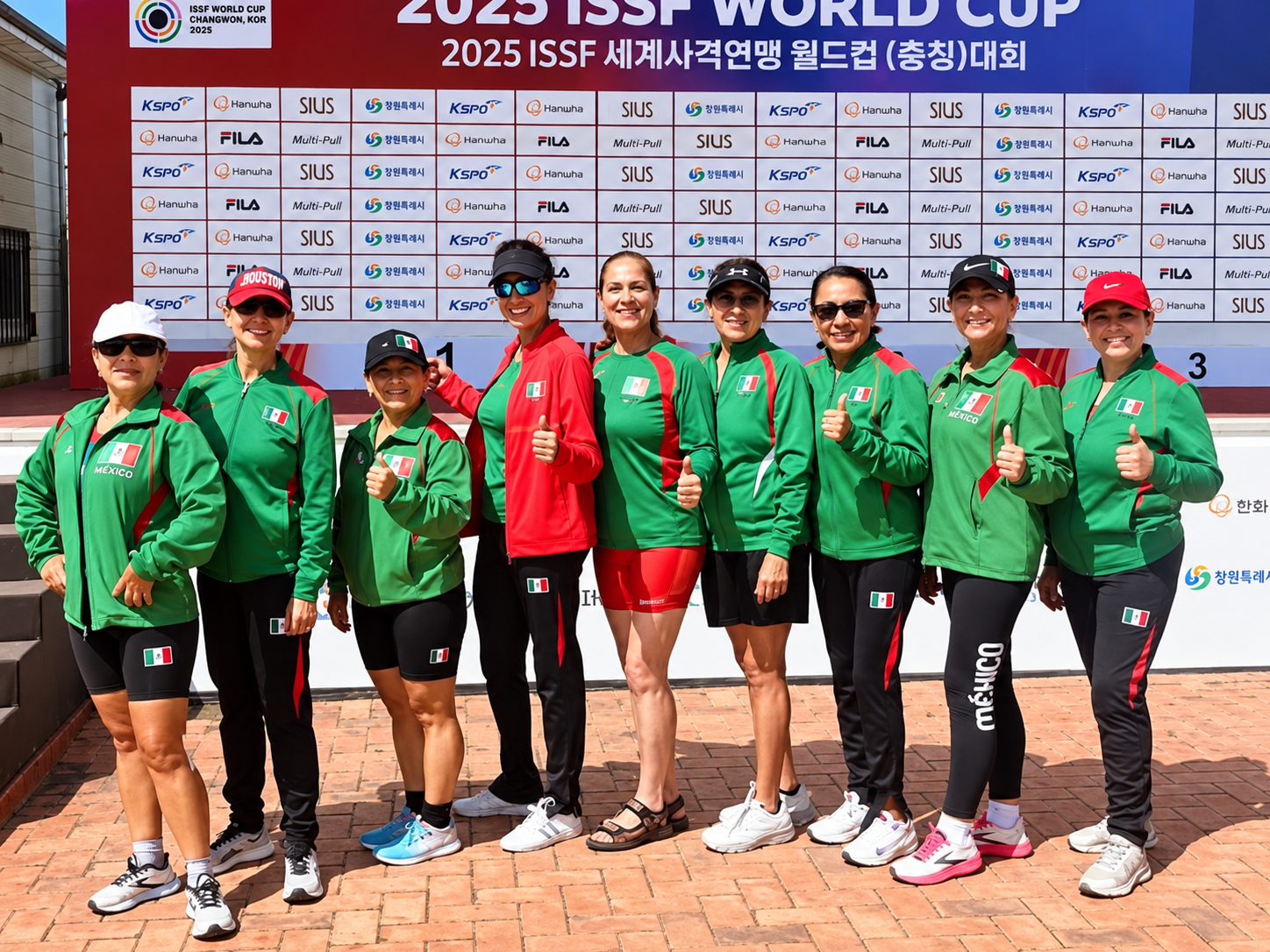
There is something wonderfully defiant about competing in a world championship when much of society has decided your athletic years should already be behind you. A group of athletes from Aguascalientes apparently didn’t get that memo.
They returned from the 2026 World Masters Athletics Championships in Daegu, South Korea, with 10 medals – five gold, two silver and three bronze – earned in race walking and cross-country competition.
The numbers are impressive. The ages make the story better. Masters athletics begins at age 35, and the Aguascalientes contingent stretched across generations. Nevenka Frahans Guerra, 35, competed alongside athletes including Carmen Lupercio Luévano, 53; Cecilia del Rosario Venegas Rodríguez, 62; Yolanda Esparza Cornejo, 63; and Alicia de Lira Muñoz, 67.
Think about that for a moment. At an age when many people are being encouraged to slow down, these women traveled halfway around the world to represent Mexico against athletes from across the globe.
And they didn’t just participate. Frahans Guerra won team gold medals in the 10- and 20-kilometer race walks and added an individual bronze in the 5,000-meter walk. Her bronze was no ceremonial prize: She finished the W35 race in 31 minutes, 25.45 seconds, behind Switzerland’s Diane Guignard and Australia’s Melissa Lewis.
Lupercio Luévano also collected team golds in the 10- and 20-kilometer walks and an individual bronze in the 20-kilometer event.
Esparza Cornejo added team gold in the 20-kilometer walk and silver in the 10-kilometer competition, while Venegas Rodríguez earned team silver in the 10-kilometer walk.
Then there was de Lira, who stepped outside the race-walking success and captured bronze in the 8-kilometer cross-country event.
Add it all together: 10 medals. The World Masters Athletics Championships were held Aug. 22-Sept. 3 in Daegu, a city that also hosted the 2011 World Athletics Championships. Masters competitors race and compete in five-year age classifications, allowing athletes to continue pursuing meaningful international competition long after the years we traditionally associate with elite sport.
Maybe that is what makes this story worth telling. We spend enormous amounts of time celebrating the next teenage sensation, the 20-year-old prospect or the athlete supposedly reaching the end of a career at 35. There is nothing wrong with that. But sport doesn’t have to end when youth does.
For these women from Aguascalientes, staying competitive requires the same things it always did: getting up, training, sacrificing, traveling and eventually standing on a starting line knowing somebody else wants the medal just as badly.
They went to Korea carrying Mexico’s colors. They came home carrying 10 medals. And perhaps one more thing – a reminder that a finish line doesn’t necessarily mean you’re finished.